

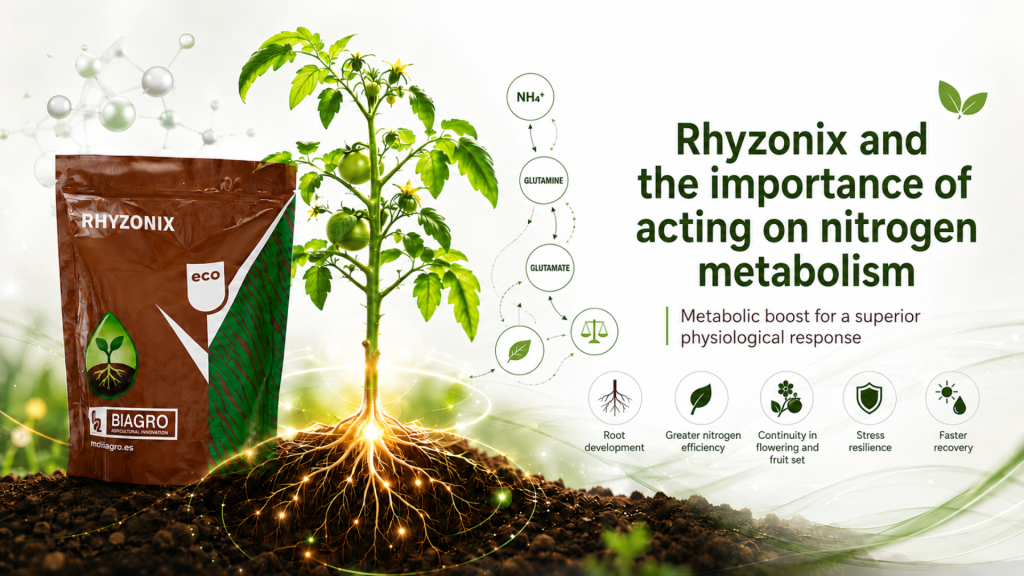
In agricultural biostimulation, the product with the highest percentage of amino acids is not always the one that generates the best physiological response. A formulation is often valued because it declares 70% or 80% amino acids, but that figure alone does not guarantee greater efficacy. What truly matters is what type of molecules the product contains, how they act inside the plant and whether they are connected to key metabolic pathways.
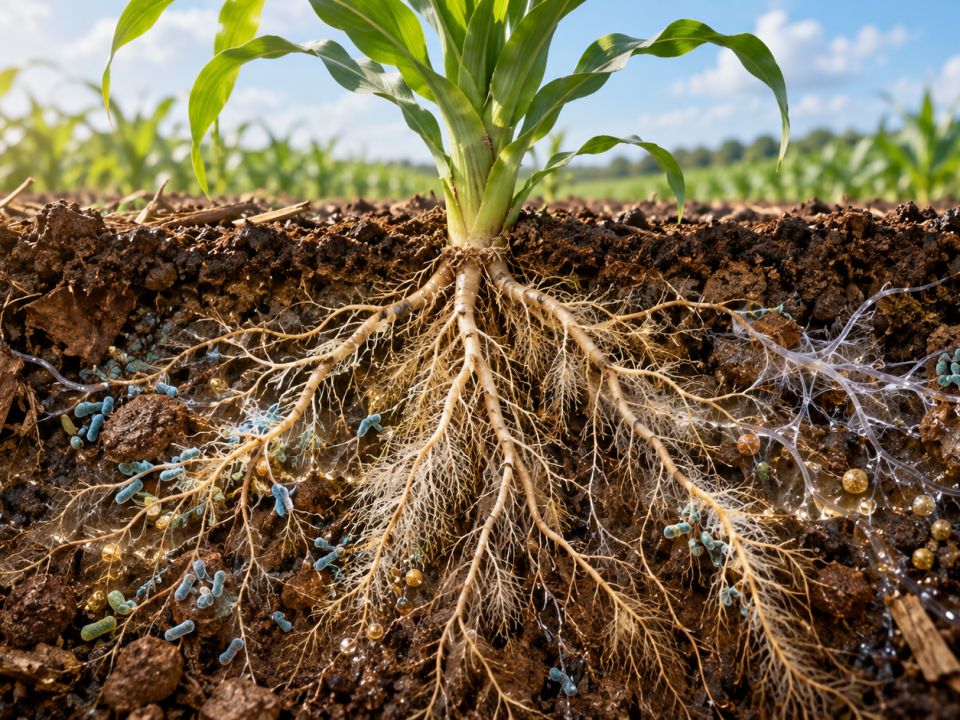
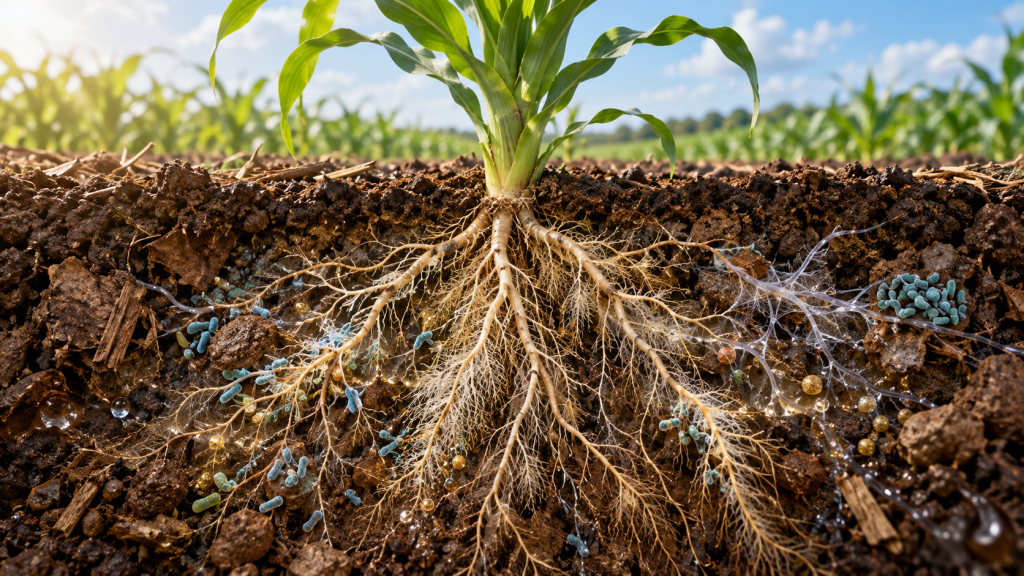
In this regard, L-Glutamine plays a particularly relevant role. It is not simply just another amino acid, but a molecule directly involved in nitrogen assimilation. The plant needs to transform the nitrogen it absorbs into useful compounds to form proteins, enzymes, new tissues and reproductive structures. For this, glutamate and glutamine metabolism is fundamental.
In simple terms, the process works as follows: ammonium is incorporated into glutamate by the enzyme glutamine synthetase, consuming energy in the form of ATP, and glutamine is formed. Afterwards, glutamine participates together with α-ketoglutarate in the formation of two glutamate molecules. This glutamate acts as a central point from which the plant can synthesise other amino acids and compounds needed to grow, recover from stress and maintain its metabolic activity.
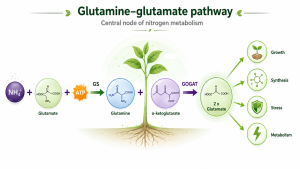
For this reason, a product that supplies L-Glutamine or favours this metabolic environment can have a more precise action than a generic mixture with a high percentage of amino acids. 80% amino acids may provide quantity, but not necessarily physiological direction. By contrast, acting on the glutamine–glutamate pathway helps the plant use nitrogen better and transform it more efficiently into biomass and yield.
This is where the Rhyzonix approach fits in. Rhyzonix has been designed as an accelerator of plant metabolism, aimed at improving nitrogen use efficiency, maintaining redox balance and supporting the crop during periods of high demand, such as active growth, pre-flowering, flowering, fruit set, filling or recovery after stress. Its approach is not based solely on supplying nutrients, but on helping the plant assimilate, organise and use them more effectively.
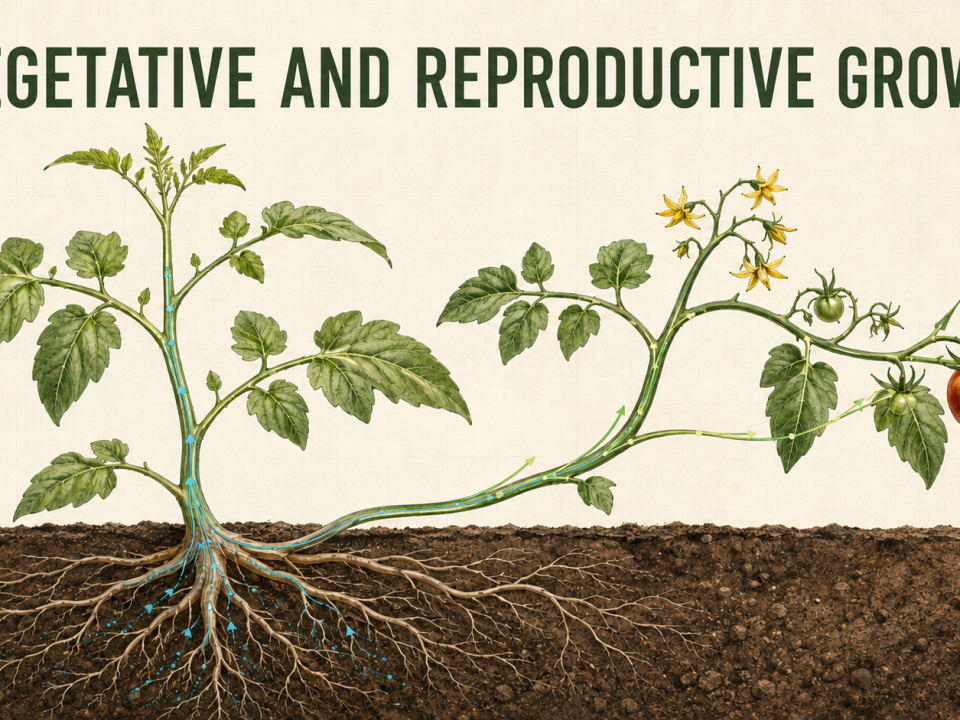
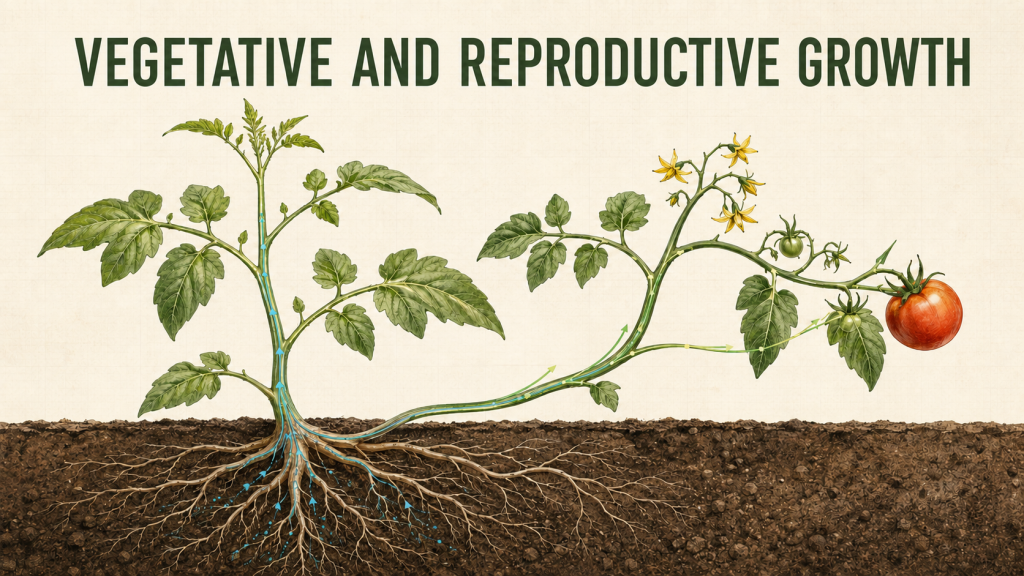
In addition, Rhyzonix works around the glutamate node and the plant’s metabolic balance. This is important because, under conditions of heat stress, drought, salinity or high productive load, the crop does not only need nutrition: it needs the physiological capacity to keep functioning. If nitrogen metabolism remains active and well organised, the plant can respond with greater uniformity, better root development, greater continuity in flowering and fruit set, and faster recovery.
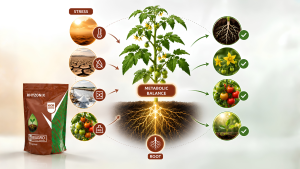
Ultimately, the difference lies not only in the quantity of amino acids, but in the functional quality of the formulation. Rhyzonix represents this more advanced approach: stimulating key pathways of plant metabolism so that the crop makes better use of nitrogen, maintains its internal balance and expresses greater productive potential.
Productos relacionados